Why Rare Earth Minerals Are Critical to the Supply Chain
Natural resources aren’t just about availability—they’re about accessibility and investment.




Natural resources aren’t just about availability—they’re about accessibility and investment.
"Canada and Mexico have integrated supply chains with the U.S. in the automobile and aerospace sectors," Lisa said. "Although I think there might be short term impacts, I don’t think there will be significant tariffs over the medium/long-term."
Tariffs are making headlines again—but what do they really mean for your supply chain? In this Supply Chain Byte, Lisa Anderson breaks down why tariffs exist, their impact on global trade and what businesses should be doing now to stay ahead. Whether you're managing sourcing, manufacturing or logistics, understanding tariffs is critical to maintaining a competitive edge.
Common sense is uncommon. Lately common sense seems to be in short supply. However, it is worth pursuing as there is a powerful return on investment (ROI) in using common sense.
In this Adhesives & Sealants Industry podcast interview, Lisa Anderson discusses supply chain risk, resilience, supplier collaboration, SIOP, technology, and the strategies manufacturers can use to navigate disruption and create a competitive advantage.
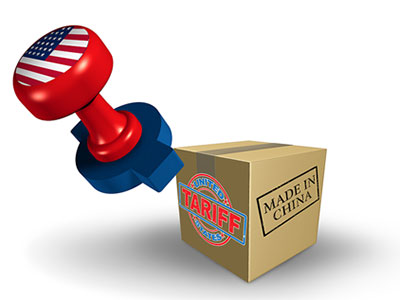
Tariffs are reshaping global trade and supply chains, creating both uncertainty and opportunity. As trade policies evolve, manufacturers and supply chain leaders must understand the potential impacts on costs, sourcing strategies, and competitiveness while building resilient plans for future growth.
AI is transforming manufacturing—but how can it be used wisely? In this Supply Chain Byte, Lisa Anderson breaks down the real value of AI and shares practical examples of how manufacturers can leverage it for efficiency, value and growth. Don’t just follow the buzz—learn how to make AI work for your business.
Lisa Anderson shares her thoughts on the outlook for supply chains in 2025.
How is the economy really performing? In this Supply Chain Byte, Lisa Anderson breaks down key economic indicators—GDP, inflation, and the labor force—along with insights on the expanding manufacturing sector. Learn what manufacturers should be doing now to stay ahead in a shifting landscape.
Manufacturers are waking up to the risks in their end-to-end supply chains. They are realizing that they are only as strong as their weakest link, especially if they do not have backup sources of supply that will jump in at a moment's notice. As an international law expert says, if you are counting on China for manufacturing, you must "get out".