

Regional Manufacturing in the Medical Supply Chain
The supply chain has calmed down since the height of the pandemic; however, smart manufacturers are thinking ahead to changing conditions. Geopolitical risks are at an all-time high.
Manufacturing promotes safety and security and mitigates risk. Controlling your supply chain and mitigating geopolitical risk can become paramount overnight as geopolitical events occur, natural disasters emerge, and supply chain challenges arise (strikes, disruptions, shortages).
This is how companies deal with the Red Sea crisis: planes, storage, and closest suppliers.
In the last month, we've participated in at least six economic forecast presentations or discussions with experts (economic, banking, investment, manufacturing). Although they each had nuances, common themes emerged. Adding our expertise into the mix, we see volatility on the horizon.
The recent turmoil in the Red Sea, triggered by Houthi drone and missile attacks, has significantly amplified risks in global shipping, particularly affecting the Suez Canal and Red Sea routes.
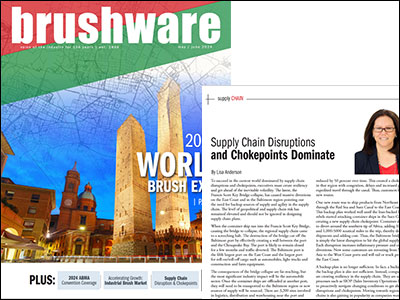
Supply chain disruptions are nothing new for the shipping industry. The COVID-19 pandemic presented an unprecedented challenge for the industry. Lisa Anderson comments on the disruptions arising from the current Houthi attacks in the Red Sea and the implications.
The best consulting clients are razor focused on supply chain volatility, risk and capacity. The recent events in the Red Sea highlight these critical priorities.
40% of the goods movement from Northeast Asia to the U.S. East Coast go through the Panama Canal, and so the Panama Canal issues are driving shortages, late deliveries, and re-routing of goods.
Lisa Anderson emphasizes the critical necessity of prioritizing supply chain optimization as global disruptions continue. Key issues, such as the worsening conditions at the Panama Canal, have been highlighted as significant contributors to the ongoing supply chain crisis.
Lisa Anderson was quoted in Food Logistics' Top 10 Trends to Shape Cold Food Chain in 2024 recently. With the help of some supply chain visibility, sustainable measures, more focus on people and the ability to pivot at a moment’s notice, 2024 is anyone’s and everyone’s game to succeed. [...]