Supply Chain Dive: Did the Pandemic Really Kill Just-in-Time? Experts Weigh In
Lisa Anderson was quoted in Supply Chain Dive on whether just-in-time (JIT) is sill relevant or has the world moved to just-in-case.



Lisa Anderson was quoted in Supply Chain Dive on whether just-in-time (JIT) is sill relevant or has the world moved to just-in-case.
Lisa Anderson's press release about the reshaping of supply chains was picked up by CSCMP. Rightsizing and balancing inventories is becoming essential to success especially with increasing interest rates.
Manufacturing has struggled to produce what customers want on-time without spending a fortune and tying up excess cash unnecessarily in the wrong, "just-in-case" inventory. It is a tough environment spiraling out of control with supply chain chaos.
Since the pandemic, it has been a constant battle to ensure material availability, let alone to proactively manage cost and service. Even the most proactive and successful clients have experienced brief shortages of key materials and extended lead-times. The rest have been plagued with these issues.
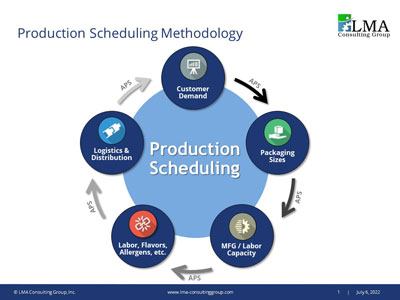
Every production planner has the challenging job of managing a complex set of conflicting priorities - meeting customer requested ship dates and new product trials, supporting manufacturing and logistics performance objectives, and addressing finance's objectives as it relates to inventory levels and cash flow.
We are seeing business just beginning to ramp up. As said in our eBook, Future-Proofing Manufacturing & Supply Chain Post COVID-19, this is not an on/off switch. We should turn the dial carefully (as quickly as possible while accounting for the end-to-end supply chain). Every situation is different. Yet, [...]
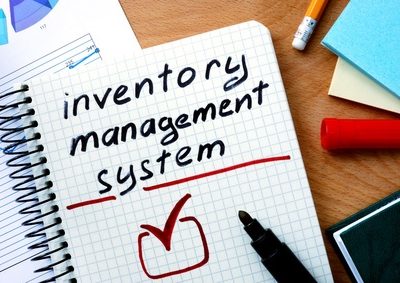
ore than 50% of client requests in the last several months have related to inventory. In fact, it seems to be a trending hot topic! In today's era of the Amazon Effect where customers expect more and have ZERO patience to wait yet we are in a volatile environment with tariffs and concerns about space, costs and more, more inventory is needed to grow the business yet businesses cannot afford it.
I cannot tell you how many disagreements I've seen over the years on the optimal planning method.
Though reducing inventory is generally advisable special situations arise when stocking inventory makes good business sense.
Must you compromise quality for speed? Reducing lead time will increase customer satisfaction and avoid the Amazon Effect.