


Deep Sea Mining
Deep sea mining is gaining momentum, and it could reshape supply chains. In this Supply Chain Byte, Lisa Anderson explains recent developments in deep sea mining and why they create new opportunities for manufacturers.
In this episode of Supply Chain Chats, Lisa Anderson talks with international business attorney, John Tulac, about the current state of global energy and resources and the growing risks supply chain leaders must navigate.
Despite years of disruption and volatility, most organizations are still operating in a reactive mode—responding to issues rather than proactively shaping outcomes as recently highlighted in the Gulf war. In a recent episode of the Professionals of the Inland Empire podcast, Lisa Anderson discussed this gap and how to prepare for success.
Heightened geopolitical and logistics risks are making it difficult for companies to successfully navigate evolving global supply chain conditions while keeping customer and EBITDA growth goals intact. According to DP World, 82% of supply chain leaders view geopolitical disruption as a major risk, yet only a quarter feel fully prepared.
In this Supply Chain Byte, Lisa Anderson explains why manufacturers must focus on building capabilities for regional supply chain independence. We discuss how the conflict in the Middle East is highlighting the critical importance of regional supply chains and strategies for success.
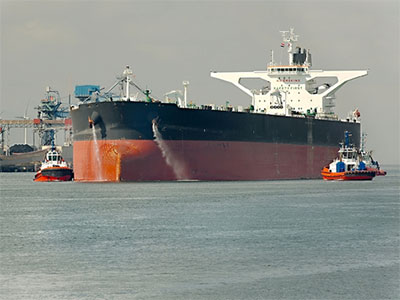
Although there are plenty of issues related to the War in Iran, from a supply chain perspective, the key issue is that the Strait of Hormuz has been blocked. This supply chain chokepoint is limiting the movement of energy. We discuss take aways related to demand, supply, flow and location.
Lisa Anderson is highlighting vulnerabilities in global supply chains as the recent conflict involving Iran creates ripple effects across global trade, energy markets and critical manufacturing components.
In this Supply Chain Byte, Lisa Anderson discusses what is happening across trucking, package shipping and ocean freight - and why understanding demand and supply dynamics within transportation is critical to maintaining profitability and success.
In this Supply Chain Byte, Lisa Anderson explains why the Iran conflict and the Strait of Hormuz matter to manufacturers. As one of the most critical shipping chokepoints in the world, disruptions in this region can impact global trade, energy supply and transportation costs.
As the conflict disrupts key trade routes and energy supplies, the confectionery sector is among the first to feel the strain. How vulnerable are manufacturers, and what can be done to protect the industry? Lisa Anderson discusses supply chain protection and safeguarding supplies to ensure availability.