

Smart Planning
Planning is becoming more complex, but smarter planning makes the difference. In this Supply Chain Byte, Lisa Anderson outlines three key planning challenges manufacturers are facing today - and three ways to address them.
Heightened geopolitical and logistics risks are making it difficult for companies to successfully navigate evolving global supply chain conditions while keeping customer and EBITDA growth goals intact. According to DP World, 82% of supply chain leaders view geopolitical disruption as a major risk, yet only a quarter feel fully prepared.
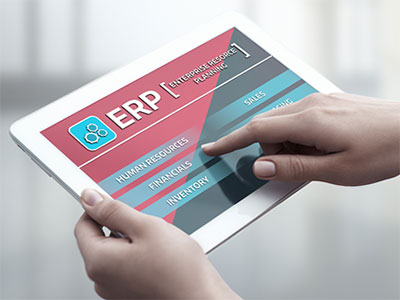
Supply chain transformations and upgrades require the improved use of ERP. There is no doubt about it - ERP is the backbone of supply chain performance. Clients come to us to improve performance (typically profitable growth, customer service, and cash flow), and the better utilization of ERP was a key part of 100% of these clients and was required to deliver bottom line results.
Companies are showing increasing interest in supply chain transformation as they want to create predictability, scalability, agility, and sustainable, profitable growth. We’ll talk through supply chain transformation, what’s included, how it relates to SIOP, ERP, and AI, and review a case study example.
As we close in on year-end, successful manufacturers are focused on executing proactive plans. Learn about the strategies the best companies are using to accelerate the pace and separate from the pack. The ability to scale, provide customer value and gain EBITDA will drive success in the New Year.
The value of MRP (material requirements planning) remains intact no matter the company size or industry. Determining how to automate the process, utilize the MRP system and potentially further enhance it with artificial intelligence and advanced technologies can yield powerful results.
In this Supply Chain Byte, Lisa Anderson explains why manufacturers must upskill their workforce not only to improve efficiencies and reduce low-level work done by highly skilled employees, but also to preserve critical knowledge as Baby Boomers retire.
The most successful companies are better utilizing ERP to automate processes, enhance customer value and better prioritize resources to support growth and scalability. Every company can better utilize their ERP system to drive bottom line results. Thus, we review top ways to better optimize ERP including a case study.
ERP systems sit at the core of modern manufacturing—but most companies use only a fraction of their capability. In this Supply Chain Byte, Lisa Anderson gives examples of how optimizing the ERP system can strengthen the supply chain—capacity, staffing, planning & scheduling and on-time delivery.
"SIOP" stands for Sales, Inventory, Operations Planning (SIOP). Depending on the industry or organization, you may also hear it referred to as “S&OP” or Sales and Operations Planning. Sometimes, it is even referred to as “IBP” or Integrated Business Planning. Typically, they mean the same thing. The most important words to emphasize are planning and alignment.